
THE NAITŌ HYPOSTASIS
NAITŌ KONAN (1866–1934) AND THE JAPANESE IMPERIALIST LEGACY IN THE HISTORIOGRAPHY OF MIDDLE-PERIOD CHINA (800–1400 CE)
CHRISTIAN DE PEE
History and Theory 65, no. 2 (2026)
In 1955, Hisayuki Miyakawa published an article that sought to introduce American and European scholars to the work of the Japanese Sinologist Naitō Konan (1866–1934). Miyakawa drew particular attention to what he called the “Naitō hypothesis”—that is, Naitō’s argument that China became modern during the Song dynasty (960–1279). Miyakawa neglected to explain, however, that Naitō conceived his periodization of the Chinese past in order to interpret current political developments in Japan and China and shape current political decisions rather than to interpret historical documents and that Naitō adjusted his periodization as relations between Japan and China deteriorated. Naitō supported and justified Japanese imperialist and colonialist policies by writing newspaper articles and scholarly publications as well as by working for the Foreign Ministry, as his own sons and the Black Dragon Society (or Amur River Society) acknowledged after his death. Naitō’s historical publications and political activities closely resemble those of German historians of Poland and the Baltic during the Weimar and National-Socialist periods. This article recommends that historians of Middle-Period China (800–1400) stop honoring Naitō as a founding figure of their field, both because the image of Naitō they honor derives from deliberately misleading Cold War representations of him and his work and because the political purposes of his scholarship have lastingly compromised his assumptions, analytical terms, evidence, interpretations, and conclusions.
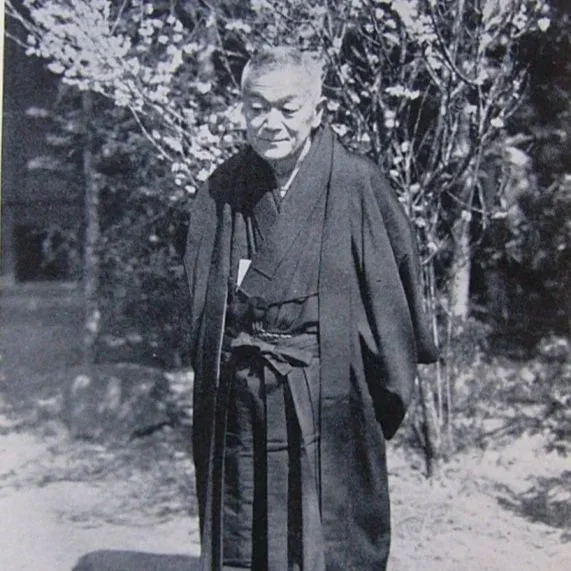
Image from Wikimedia Commons